
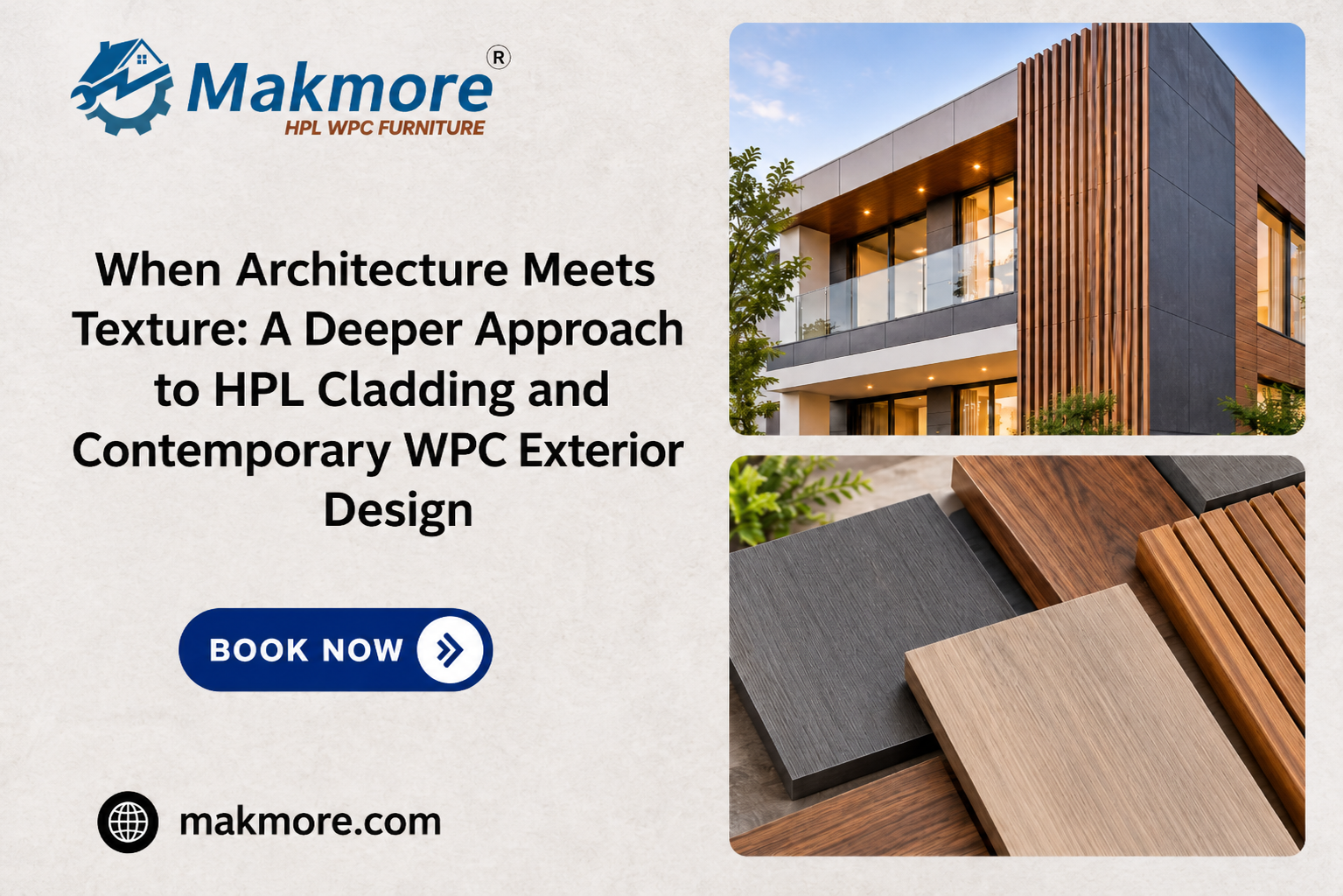
Architecture lingers in memory not just for the walls it builds, but for the feelings those walls inspire. The exterior of a building can whisper warmth, radiate sophistication, or stand boldly timeless, all before a single step crosses the threshold. In today’s design landscape, surfaces have evolved into a language of identity, speaking volumes beyond mere protection. The perfect material can turn a simple façade into a statement of character, where texture, proportion, color, and durability unite in understated harmony.
Makmore embodies this philosophy in its ever-evolving range of architectural surface solutions, giving equal weight to function and visual expression. Today’s construction demands materials that withstand changing environments while retaining their elegance. Whether gracing commercial towers, office façades, homes, or hospitality spaces, carefully chosen cladding can infuse architecture with unique personality, all while upholding practicality.
When the Exterior Becomes an Architectural Statement
A building’s outer skin faces the world every day. Sunlight, rain, dust, and shifting temperatures relentlessly test its resilience. Choosing exterior materials becomes a pivotal architectural decision, not just a finishing touch.
A well-conceived façade strikes a delicate balance between visual allure, functional strength, and lasting value. HPL and WPC solutions have gained attention by letting designers experiment with modern surface aesthetics while adding both protection and personality.
Beauty reveals itself in the details. The right texture can breathe depth into a flat elevation. Wood-inspired surfaces infuse modern structures with inviting warmth. Crisp linear patterns lend façades refinement and order. In this way, cladding becomes a vital chapter in the architectural narrative, not just an afterthought.
Understanding the Potential of HPL Cladding
HPL Cladding Sheet Work offers a practical yet visually dynamic path for contemporary façades. High-pressure laminate surfaces are prized for their decorative versatility and their ability to deliver a crisp, polished architectural finish.
This approach is more than just covering a wall. Thoughtfully planned cladding weaves visual layers, introduces striking contrasts, and carves out distinct architectural zones. It can spotlight entrances, frame windows, craft feature walls, or unify an entire elevation with a cohesive design language.
For architects and property owners, this flexibility unlocks a world of creative opportunity. Rather than settling for paint or standard finishes, buildings can achieve greater depth and sophistication through artfully coordinated surface materials.
Why Modern Buildings Are Moving Beyond Conventional Finishes
While traditional finishes offer familiarity, modern architecture craves individuality. Today’s buildings are expected to express the spirit of the people, businesses, or communities they embody.
A corporate office might call for a façade that radiates professionalism and innovation. A home may seek warmth and quiet elegance. Retail or hospitality spaces often shine with exteriors that attract attention without overwhelming the senses.
Cladding becomes the tool for crafting these unique identities, using texture, pattern, color, and thoughtful composition. The most memorable façades are seldom the loudest. Their impact comes from every element feeling purposeful and considered.
Key advantages of thoughtfully planned exterior cladding include:
- Enhanced architectural character and visual depth
- Greater freedom in textures, patterns, and finishes
- A contemporary alternative to conventional exterior treatments
- Potential for creating distinctive feature zones and façades
WPC Exterior Panels: Bringing Nature-Inspired Warmth to Modern Architecture
Wood’s appearance carries a timeless allure. Its natural texture and warmth evoke comfort, craftsmanship, and a bond with nature. Yet, today’s construction demands materials that meet modern standards for performance and maintenance.
This is where WPC exterior wall solutions step in as a compelling design alternative. In Bangalore, the growing demand reflects a broader architectural movement toward combining nature-inspired aesthetics with modern construction requirements. WPC exterior panels can create façades with the visual warmth of wood-inspired design while supporting contemporary architectural applications.
These panels shine on feature walls, balconies, outdoor elements, commercial elevations, entrances, and anywhere designers wish to weave in texture and warmth.
Designing Exteriors That Feel Connected to Their Surroundings
Great architecture never stands alone. Location, climate, community, and people shape every building. In a fast-growing city like Bangalore, new structures rise beside natural landscapes, historic neighborhoods, bustling commercial zones, and modern infrastructure. This makes material choice especially significant.
A wood-inspired WPC façade can soften the visual hardness of concrete and glass. An HPL surface can introduce structured sophistication to a commercial elevation. Combining complementary materials can create contrast without creating visual chaos.
The goal is not to make a building appear costly for its own sake. The true aim is to craft an exterior that feels thoughtfully designed.
The Art of Combining Texture, Form and Function
Exterior design reaches its full power when beauty and purpose work in harmony, rather than in competition. In a façade where sleek planes meet a textured feature wall. Picture warm, wood-inspired tones framing a minimalist entrance. Picture panels aligned with precision, creating rhythm across a sweeping elevation. Each detail may seem subtle on its own, but together they transform the building’s entire presence. That’s why designing cladding is about more than picking a color or panel. It calls for an understanding of proportion, orientation, context, installation needs, and the desired visual impact.
A thoughtful façade strategy can focus on:
- Creating harmony between materials and architectural form
- Using textures to introduce depth and visual rhythm
- Selecting finishes appropriate to the building’s overall identity
- Balancing aesthetic ambition with practical installation considerations
Building a More Meaningful Exterior Identity
Every building tells its own story, even when its walls remain silent.
A home radiates warmth. A workplace projects confidence. Hospitality spaces create a sense of welcome. Retail environments build recognition before a customer even steps inside. The exterior often serves as the opening chapter of that story.
That is why modern cladding shouldn’t be treated as a decorative covering. Approach it as an architectural medium that can shape perception. When selected and installed thoughtfully, HPL and WPC solutions can contribute to façades that feel contemporary without becoming temporary trends.
A New Perspective on Exterior Material Selection
In this new era of architecture, design intelligence guides material choices. Property owners desire beautiful spaces, architects crave creative freedom, and modern projects require materials that balance aesthetics with practicality. Makmore meets this evolving need with the belief that surfaces are far more than what meets the eye. They shape the very experience of architecture.
Whether the aim is a sophisticated HPL façade, a welcoming WPC feature wall, or a unified exterior vision, the right material becomes a defining element of a building’s identity.
Ultimately, great exterior design is not about excess, but about making better choices. It is about letting texture speak softly, letting form breathe, and letting a building develop a personality that remains relevant beyond passing design trends. When material, craftsmanship, and architectural intention move in the same direction, even a simple façade can become memorable.
Faq
Q1.Can HPL and WPC be combined in one façade?
A1. Yes. Combining different materials can create contrast and visual depth. HPL can provide a structured contemporary finish, while WPC can introduce warmth and texture.
Q2. How do I choose between HPL and WPC for an exterior?
A2. Consider the desired appearance, architectural design, environmental exposure, maintenance expectations, installation requirements, and project budget. The appropriate choice depends on the specific application.
Q3. Can cladding improve the appearance of an old building?
A3. Cladding can significantly change the visual character of an existing façade. A carefully planned design can conceal visual monotony, introduce texture, and give an older structure a more contemporary appearance.
Q4. Why is professional installation important for exterior cladding?
A4. Correct installation helps ensure proper alignment, detailing, finishing, and overall performance of the cladding system. Professional planning is particularly important around corners, joints, openings, and other architectural details.
Q5. Why is HPL used for exterior applications?
A5. HPL is popular for exterior design because it offers a wide range of decorative possibilities and can contribute to a clean, contemporary architectural appearance when appropriately selected and installed.